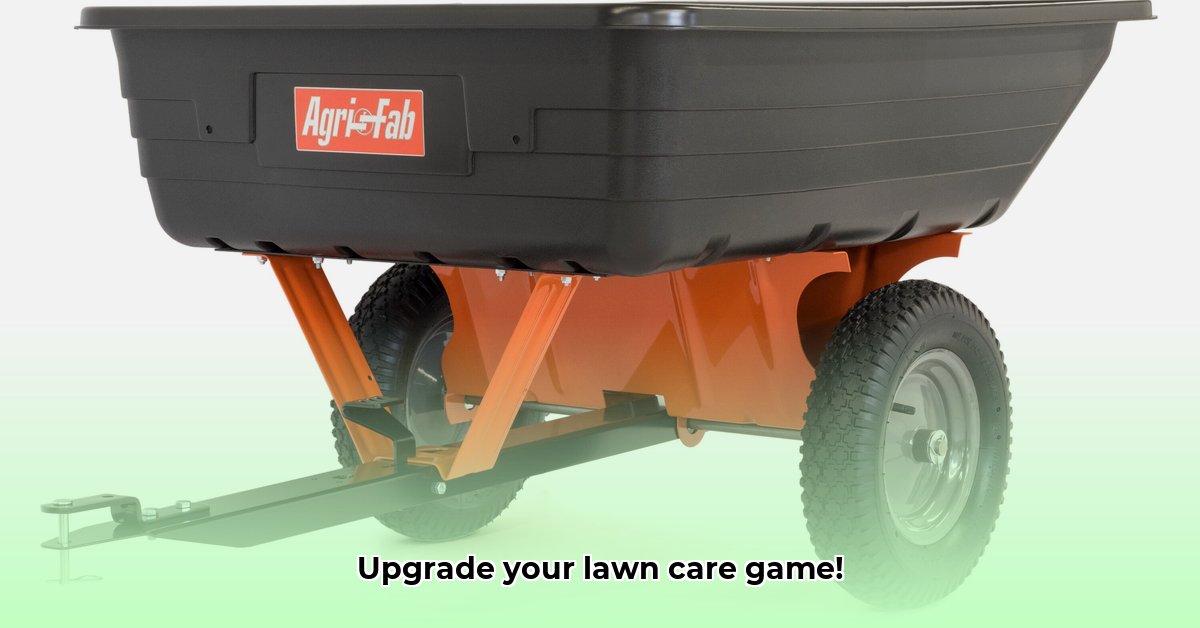
Choosing the right lawn tractor dump cart can significantly improve your yard work efficiency. This comprehensive guide helps you navigate the options, ensuring you select a cart perfectly suited to your needs and budget. We'll cover key features, compare top models, and provide essential maintenance tips. For even more information, check out this detailed guide.
Key Features & Considerations: Choosing Your Ideal Cart
Several key factors determine the ideal lawn tractor dump cart. Let's examine each in detail to help you make an informed decision.
Material: Steel vs. Poly (Polyethylene)
The cart's material significantly impacts its durability and maneuverability. Steel carts offer superior strength and longevity, making them ideal for heavy-duty tasks and rough terrain. However, they are heavier and more susceptible to rust. Poly (plastic) carts, conversely, are lightweight and easier to handle, resisting rust, but may not withstand heavy loads or rough usage as well.
- Steel: Best for heavy loads, rough terrain, and long-term durability. Requires regular rust prevention.
- Poly: Ideal for lighter loads, easier maneuverability, and low-maintenance usage. May be less durable under extreme conditions.
Consider your typical loads and terrain when making this crucial choice. A hybrid design, combining steel and poly components, offers a potential middle ground.
Capacity: How Much Can You Haul?
Capacity is measured in pounds and varies significantly between models. Larger capacity carts are necessary for moving substantial quantities of soil, mulch, or rocks. Smaller capacity carts suffice for lighter yard debris, leaves, or grass clippings. Always consider the heaviest load you anticipate hauling; don't underestimate your needs!
- Lightweight Cart: 300-600 lbs (suitable for smaller yards and lighter debris)
- Heavy-Duty Cart: 800-1200 lbs (ideal for larger yards and heavy materials like gravel)
Overloading a cart can lead to damage and safety hazards, impacting both the cart's longevity and your personal safety.
Dumping Mechanism: Ease of Use
Most carts utilize a manual tipping system, requiring physical effort. However, some models offer assisted dumping mechanisms, such as levers or foot pedals, which significantly reduce the physical strain of unloading. Consider your physical capabilities and the frequency of unloading when selecting this feature.
- Manual Dump: Simple, reliable, but requires more physical effort.
- Assisted Dump: Easier unloading, but potentially more complex mechanisms.
Terrain Handling: Tire Considerations
The terrain in your yard greatly influences tire selection. Larger tires with aggressive treads offer superior traction and stability on uneven ground, while smaller tires are suitable for smooth, level lawns.
- Large Tires: Greater stability and traction on uneven terrain.
- Small Tires: Suitable for smooth lawns; easier maneuverability.
Top Picks Based on User Needs
Our recommendations categorize carts based on specific user needs:
Best for Heavy-Duty Use: Steel carts with 800+ lb capacity, large tires, and robust construction are preferred. Brands like Agri-Fab and Ohio Steel often excel in this category. These carts withstand substantial weights and rough handling.
Best for Small Yards: Lightweight poly or hybrid carts with 400-600 lb capacity and maneuverable designs are ideal. Gorilla Carts frequently receives positive reviews in this space. These are easier to handle in compact areas while offering sufficient capacity for smaller-scale tasks.
Best Budget Option: Moderate capacity (600-800 lbs) poly or steel carts provide a balance between cost and functionality. Focus on durability and essential features, even on a budget.
Your Step-by-Step Buying Guide
- Assess Your Needs: Determine your typical load weight, terrain conditions, and desired ease of use.
- Set a Budget: Define a realistic spending range considering your needs and available options.
- Check Compatibility: Ensure the cart's hitch system is compatible with your lawn tractor.
- Read Reviews: Gather insights from user reviews to understand real-world performance and potential issues.
- Compare Models: Analyze specifications, features, and user feedback to compare competing models.
- Purchase from a Reputable Retailer: Choose a retailer with a favorable return policy for added peace of mind.
Maintenance & Troubleshooting: Extending Your Cart's Lifespan
Regular maintenance is crucial to maximizing your cart’s lifespan.
Steel Carts: Prevent rust by regular cleaning and applying rust preventative spray. Lubricate moving components for smooth operation.
Poly Carts: Clean regularly to remove mud and debris. Inspect for cracks or damage. Maintain proper tire pressure.
Common Issues and Solutions:
- Flat Tires: Repair or replace promptly. Regularly check tire pressure.
- Bent Frame: Gentle straightening or replacement might be necessary depending on the severity.
Conclusion: Finding the Perfect Fit
Selecting the right lawn tractor dump cart depends on your individual needs and budget. By carefully considering capacity, material, dumping mechanism, and terrain handling, you can choose a cart that greatly enhances your yard work efficiency and minimizes physical strain. Remember, investing in proper maintenance prolongs your cart's lifespan and maximizes its value.